
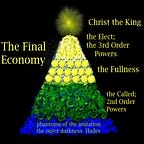

On today’s episode, we’re going to talk some more about fractal stories and archetypes. These fractal stories make up our lives. We have very little original material in our lives. It’s as if we are each a character in a play. And this play was written by the Aeons of the Fullness before time began. These are archetypal stories. And when Logos fell and broke open all these stories into the world, and then we came down and populated the world from the Fullness, it is these stories we are reenacting.
Everyone’s life is different and unique because we each have our own point of view in the entire scheme of creation. We are monads, which means a singular point of view. We are monads out of the Fullness of God. And each of us, with our own point of view, are like actors cast in a play. We have free will. Everything in the universe does have free will. Well, all second order powers have free will. And we are free to react within the stories we find ourselves freely. We can go with the flow of the story and fully embody the archetype that is cast, such as a scorned woman screaming and railing at her man who has done her wrong. We can do that. Or we could choose, and this is the difficult part, to break the story and step back and observe the story unfolding without such active participation on our part. These are called complexes in Jungian psychology, these complicated interactions of archetypes and wills and powers that we find ourselves in.
And you know you’re in an archetypal fractal story by the tremendous force and power it seems to have all on its own. There you are, just cruising along, minding your own business, and suddenly you turn a corner and here you are in a fractal story. And you can feel the difference in the power. Or you can just blindly go along and play your part and then wonder why you’re so miserable. Oftentimes I have thought, boy I’m really doing well. I’m really cruising along here. Everything’s going great. Boy aren’t I enlightened or whatever. And then boom, I walk right into a fractal story and complexes are stirred up.
One fractal story that is very popular right now, because it is being pushed upon us, is this notion of victimhood. Victimhood is a fractal story. It’s an archetype. But the deal is, it causes powerlessness in the person who then takes on the mantle of being the victim. Oh everything’s against me. How am I supposed to get ahead? What can I do? I’m just a victim here. Oh man I’m so upset. I’m so frustrated. But if you refuse the title of victim, then you’re no longer constrained by the requirements of being a victim. You’re no longer weak and powerless with no freedom of will and no ability to move forward. You can reject that box. Step outside of it and then carry on without being a victim. Have a more powerful life.
I had a marriage of 38 years that seemed to be absolutely a wonderful marriage. And it was consecrated as far as I could tell. We actually spent every morning, first thing, doing yoga together. We would open up a holy book, either the Bible or the Tao Te Ching, and we would read out loud. We would discuss the principles involved and we would pray out loud together. And then I came to find out around the 30th year of that long marriage that this husband was actually cheating on me the whole time. Now being a cheater is a fractal archetype. And when I say a woman scorned is a fractal archetype, believe me, I understand it from the inside out. Because one minute I’m this calm, happily married wife doing all of my wifely duties in a most happy way. Dutiful, yet happy. And then come to find out about the cheating. And then it was nothing but outbursts and fights and tears and screaming for the next eight years. And just on the flip of a switch, this husband and I were plunged into the midst of this maelstrom of the fractal of the scorned woman and the cheating man. And the scripts are already written, the words that come out of your mouth when you are in the midst of one of these things.

You see it in movies, you read it in literature, you hear other people doing this. And once you are in that complex, then it is quite easy to recognize the complex when you see it in other people.
When I had my bed and breakfast in Ashland, I had a number of repeat guests, right? They’d come every single year to come to the Oregon Shakespeare Festival in Ashland. And they’d stay for a week or two at the bed and breakfast. One year, this couple came up in separate cars. And they stayed in the same room, but they never sat with each other at breakfast. And all she ever did was shoot daggers at him whenever she looked at him. And I couldn’t understand then what was going on. But now, having been in that particular complex myself, I can look back and say, ah, he must have cheated on her in that year. And they had still carried on, they had their reservations, they had their tickets to the theater, they had their reservation to the bed and breakfast, but they were no longer in harmony whatsoever. They were in the midst of this archetypal story of the scorned woman. That is what I imagine as I look back upon that situation, having been in that situation myself.
So you may be finding yourself in the midst of some sort of fractal story, not of your choosing. Victimhood, addiction, bad marriage, disappointing children, whatever it is—just realize that these are gigantic forces that were written before you came along. You do not need to completely inhabit that story. You can step out of it.
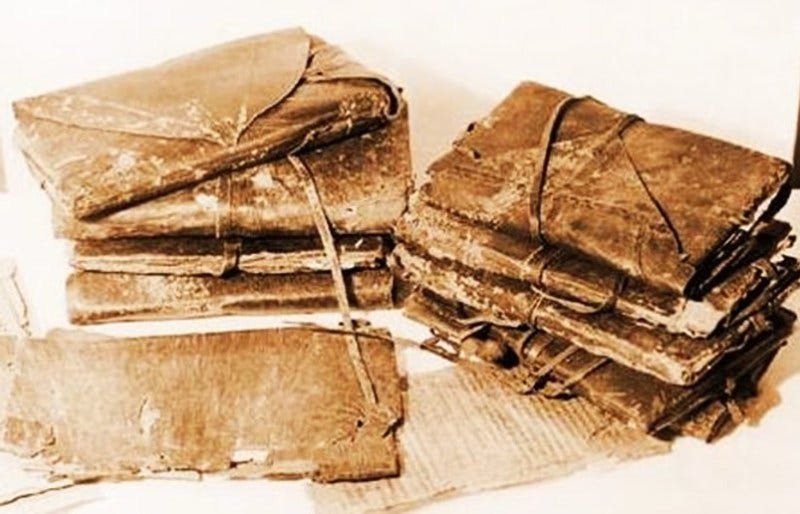
Okay, after having revealed all of that about myself, let’s take a look at some of these typical fractal stories. These stories are typically referred to as archetypal, and they’re generally credited to Carl Jung and his concept of Jungian archetypes. However, I don’t know if you know this yet or not, but Carl Jung actually purchased one of the first books out of the Nag Hammadi after they were discovered in the 1940s. He purchased one and had it translated into German, and it is from his reading of this ancient Gnostic text that he came up with his notions of archetypes, from the Aeons of the Fullness.
So what it is, is that there are major events and characters that appear in all of humanity’s different stories of origins in their different mythologies. Common archetypes are birth, death, leaving home, initiation into a new thing, marriage, the union of opposites. Archetypal characters include mother, father, child, God, the wise old man or the wise old woman, the trickster, and the hero. Some of the archetypal motifs are apocalyptic visions, the flood, and creation. We actually enact these stories, these gigantic world-embracing stories, in our little lives over and over and over again.
Here are some of the archetypal characters of literature. The caregiver, often a parent character, desiring to protect and care for others, usually associated with compassion and generosity, sometimes martyrdom. The creator is a creative and imaginative character, could be an artist, an inventor, a writer, a musician, an innovator, a visionary. The explorer, who wants to experience new things and freedom, self-discovery explorations or physical journey explorations, seeking a more authentic life, not conforming to the status quo. Adventure around every corner, could be pilgrims, an individualist, or a physical wanderer about the earth or the cosmos.
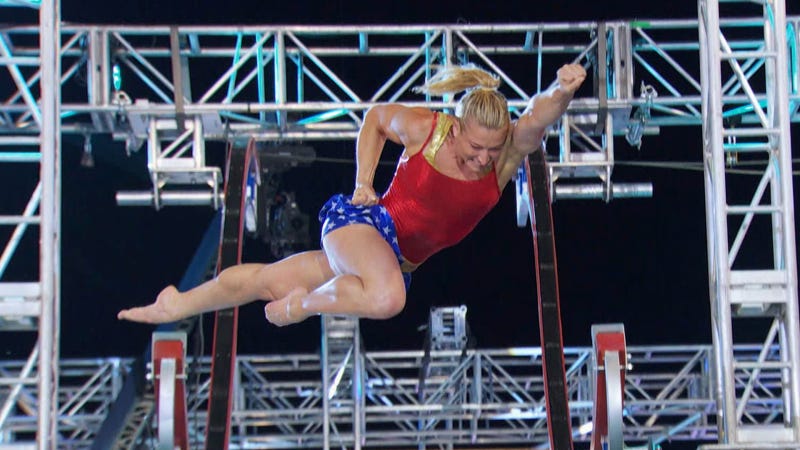
The hero character is very common in our movies and television and stories. That is a person who seeks to prove their worth through courageous and heroic acts. I think here of the American Ninja Warrior television program, and the incredible feats of physical prowess those ninja warriors exhibit as they go through the obstacle course, that each time they go through the obstacle course, it’s a hero’s journey. Warriors, rescuers, soldiers, police, team members, these are heroes.
There is a character called the innocent, an optimistic person whose worst fear is doing something bad. The innocent is always seeking to do the right thing, and there is a certain naive innocence about them. They can be in a romantic dreamy place, always dreaming about perfection and wonder. I would characterize myself as one of these innocents.
The jester wants to enjoy life and have a good time. They like to joke around, make people laugh, make the world a happier place. The jester also includes the trickster, or could be a fool, or a comedian, a comic.
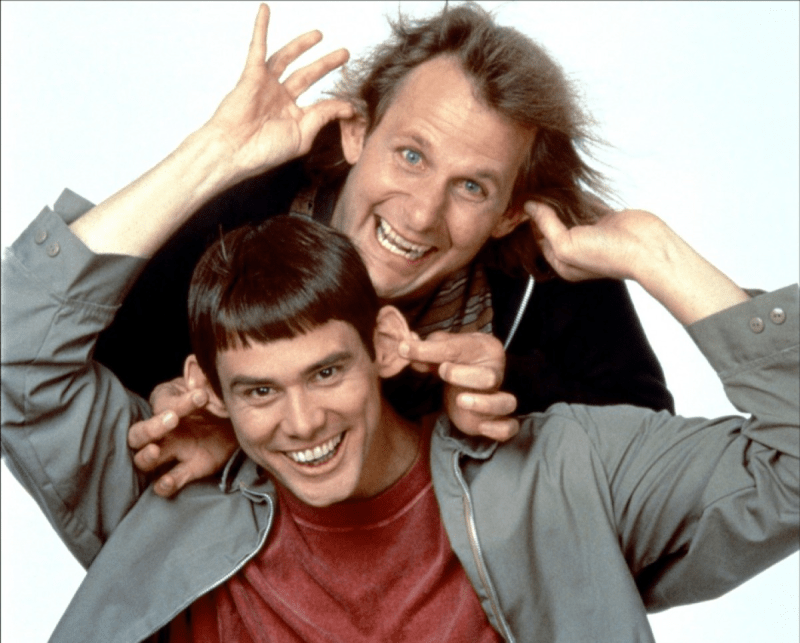
Another archetype is the lover—the loyal companion. The fear is not being loved, not being wanted, so the lover is passionate and committed and wants to be very attractive to others and to please other people. So they could be a people pleaser, as well as a romantic partner, a good friend, or a spouse.
The magician is a visionary. They understand the way the world works. They like to find win-win solutions to problems. They can be manipulative. The magician can be portrayed as a shaman, a healer, or a charismatic leader of some sort.
The orphan is a character who wants to belong more than anything in the world. They fear being left out and alone. They are often down-to-earth and empathetic, but they can easily lose their identity while they try to fit in. This can be the everyman, or the girl next door, or the guy next door. I’m thinking of Tom Hanks in The Castaway.
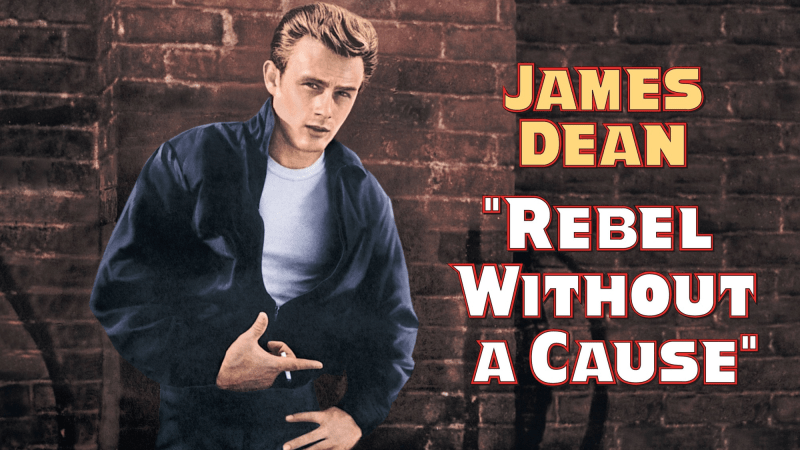
The rebel believes that rules are meant to be broken and wants to change something that isn’t working. They might start out with a good goal in mind, but they can easily cross the line from rebellion to crime. So the rebel can be portrayed in literature as a revolutionary or a misfit. You know, like the motorcycle movies of the old days, Rebel Without a Cause, or the outlaw movies of the westerns. A lot of people that are rioting in the streets nowadays are enacting the rebel mode.
The ruler is an archetype that wants control, wants to be the top dog in a successful community. Their fear is being overthrown, and so because of that they have a tendency to become authoritarian and to not delegate any roles to the people that are supposed to be advising them, or to, for example, Congress. They like to be the boss, the king, the queen, the president, the politician, or the role model that people look up to.
The sage is a truth seeker who uses their intelligence to analyze the world. Their greatest fear is being seen as ignorant, and they spend a lot of time studying and reflecting upon the self. Sometimes they are subject to analysis paralysis, which means you study, study, study, but you’re afraid to go forward, you’re afraid to enact. The sage is a scholar, a philosopher, an academic, a teacher, a Gnostic.
I am both innocent and a sage, and I’m pretty sure a lot of you listeners are also sages, or else you wouldn’t be listening to this podcast. So these archetypes, they’re not singular and pure. You can combine them in various combinations. I just said, for example, I’m a sage, and an innocent, and a woman scorned, for example. Well, complicated type of personality there.
We humans have been using the same major archetypal characters in our large mythologies, our cultural mythologies, our origin stories, and our literature since the beginning of recorded history, and they’re the same archetypes. They’re popular because this is the human condition, and we’re not inventing it as we go along. We’re stepping into these roles and these stories, and that’s what I mean by them being fractals. And when I consider this logically, it seems to me that these stories must have been imagined in the minds of the Aeons of the Fullness.
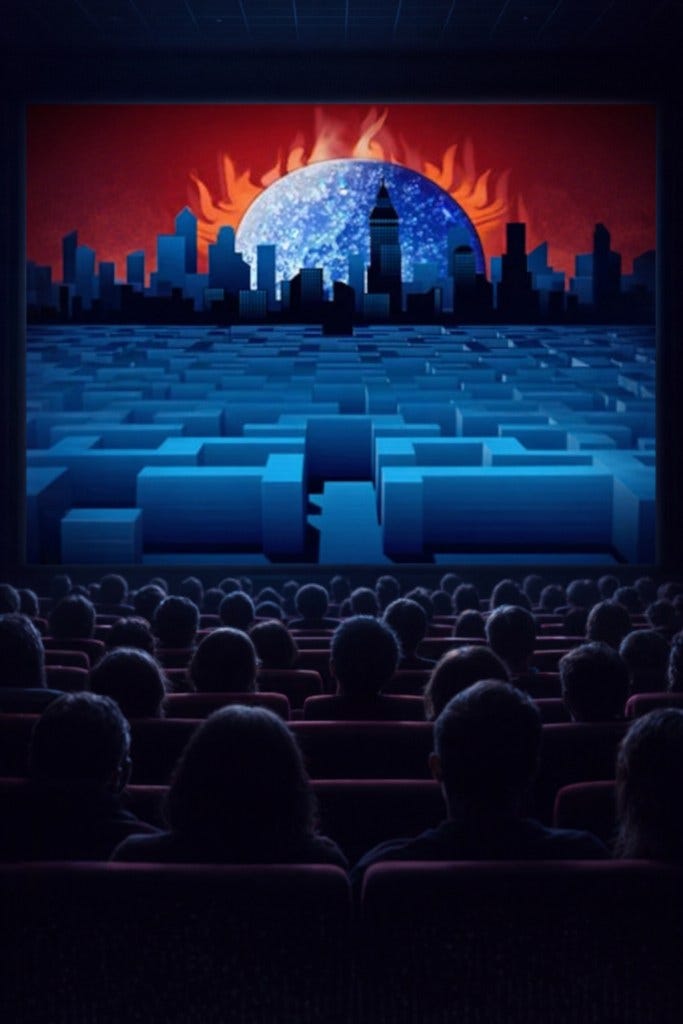
I always imagine the Aeons sitting there in their golden stack of cannonballs, but in their minds, they’re all dreaming the same dream. They’re writing these plays, and they’re casting these imaginal characters, and they’re sharing one dream that’s kind of like a big movie, a big walk around. And our world is a physical enactment of that dream of the Aeons, because it was in the mind of Logos when Logos fell. And also, it’s in our DNA, because our DNA has encoded all of the messages of the Aeons of the Fullness. We have the Fullness of God fully within us, and therefore we have this imagination.
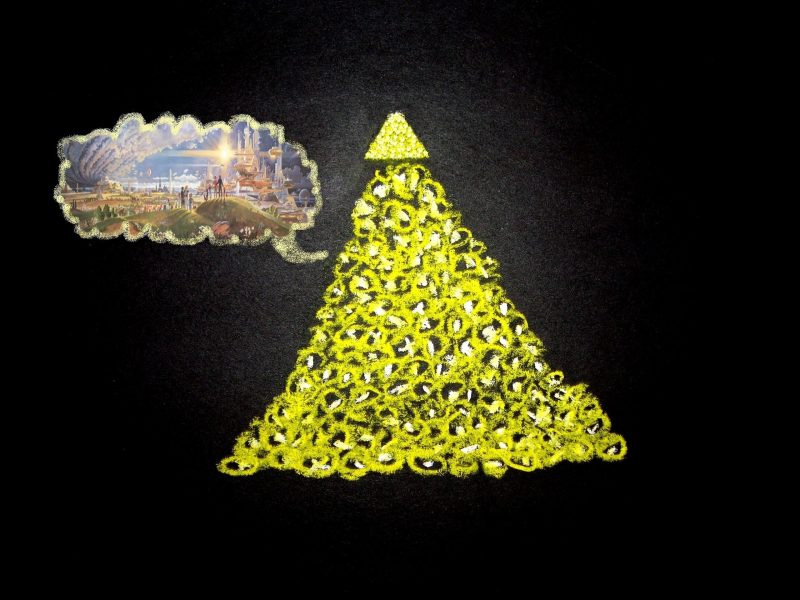
And I’ve said on this Gnostic Insights podcast before that our imagination of heaven, our foretaste of paradise, is the dream of the Aeons, literally. And the reason this world of ours is so disappointing is because it’s fallen. We want to be in paradise with the Aeons. We want to be enacting these stories, but we always want the happy ending. We want them to be happy and to be going along on the positive side. We don’t want them to flip to negativity. And of course, in the Fullness of God, it is all positive by definition. The Fullness of God does not embrace shadow, darkness, disappointment, or death. And so, our expectation of love, fidelity, success, courage, all these stories, they are actually in their perfection in the dreams of the Aeons. And that’s why we expect it, because it’s in our DNA.
Okay, that’s enough for today. This has been my take on fractal stories and an introduction to the Jungian archetypes, although I don’t need to credit Jung with that, because they do pre-exist. It’s just that if you want to read more about archetypes, you can do some reading with Jung.
Onward and upward. See you next time. God bless.
Thank you for subscribing. Please share these posts with others.


